The Confluent Guam
Where friends gather

Confluent - adj. flowing together; merging.
Locations
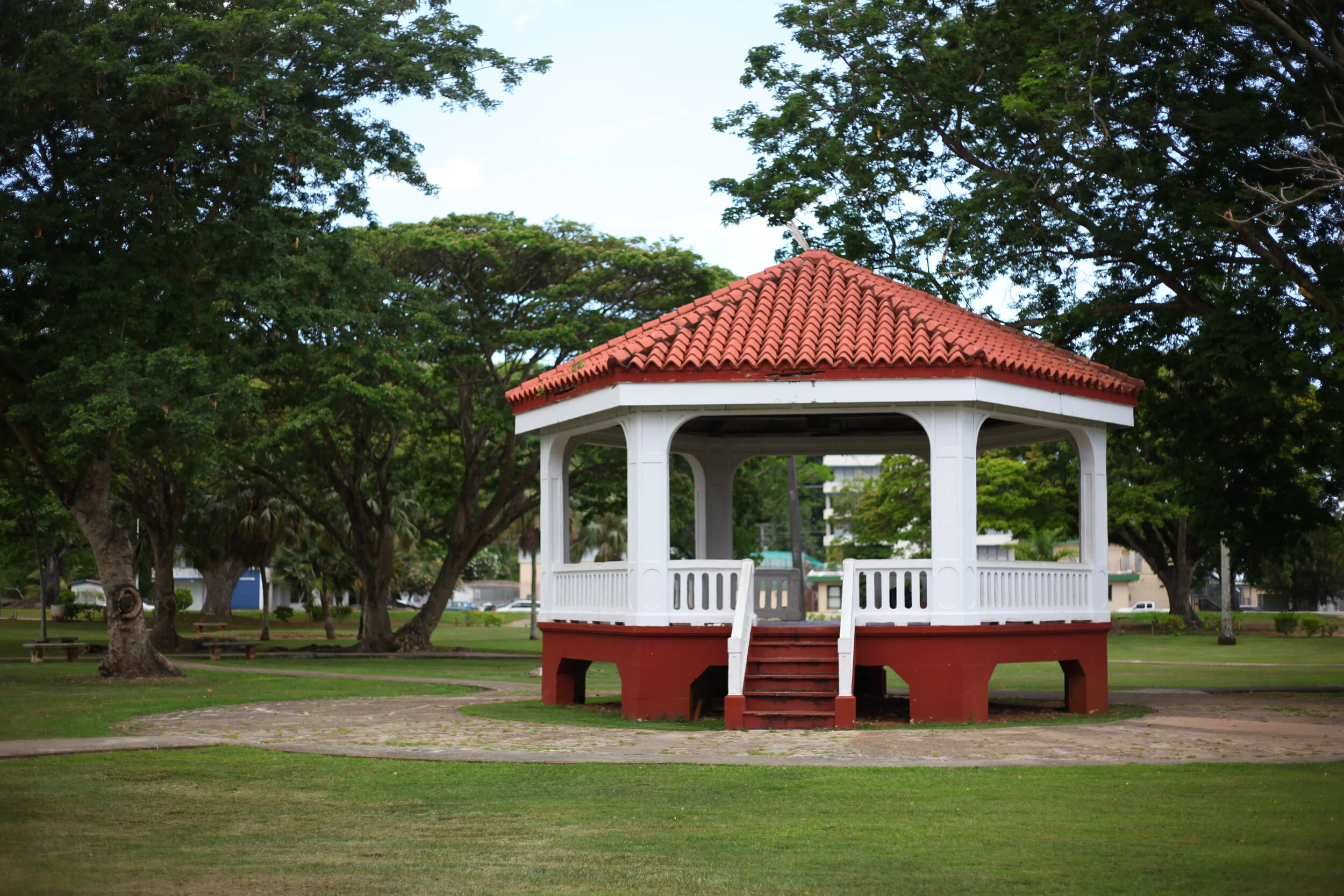
Plaza de España
The Plaza was listed on the National Register of Histoirc Places on May 1, 1974. During the Spanish occupation, The Plaza de España was known as the Governor’s Palace where the seat of government for both the Spanish and the first U.S. Naval Government were located. Majority of the palace was destroyed during WWII, however there still stands several historical structures including The Garden House, The Azotea, The Chocolate House, The Almacen, and the ruins of the walls built by Governor Muro’s administration. The Plaza is a remarkable place to visit and a surviving piece of Guam’s history.
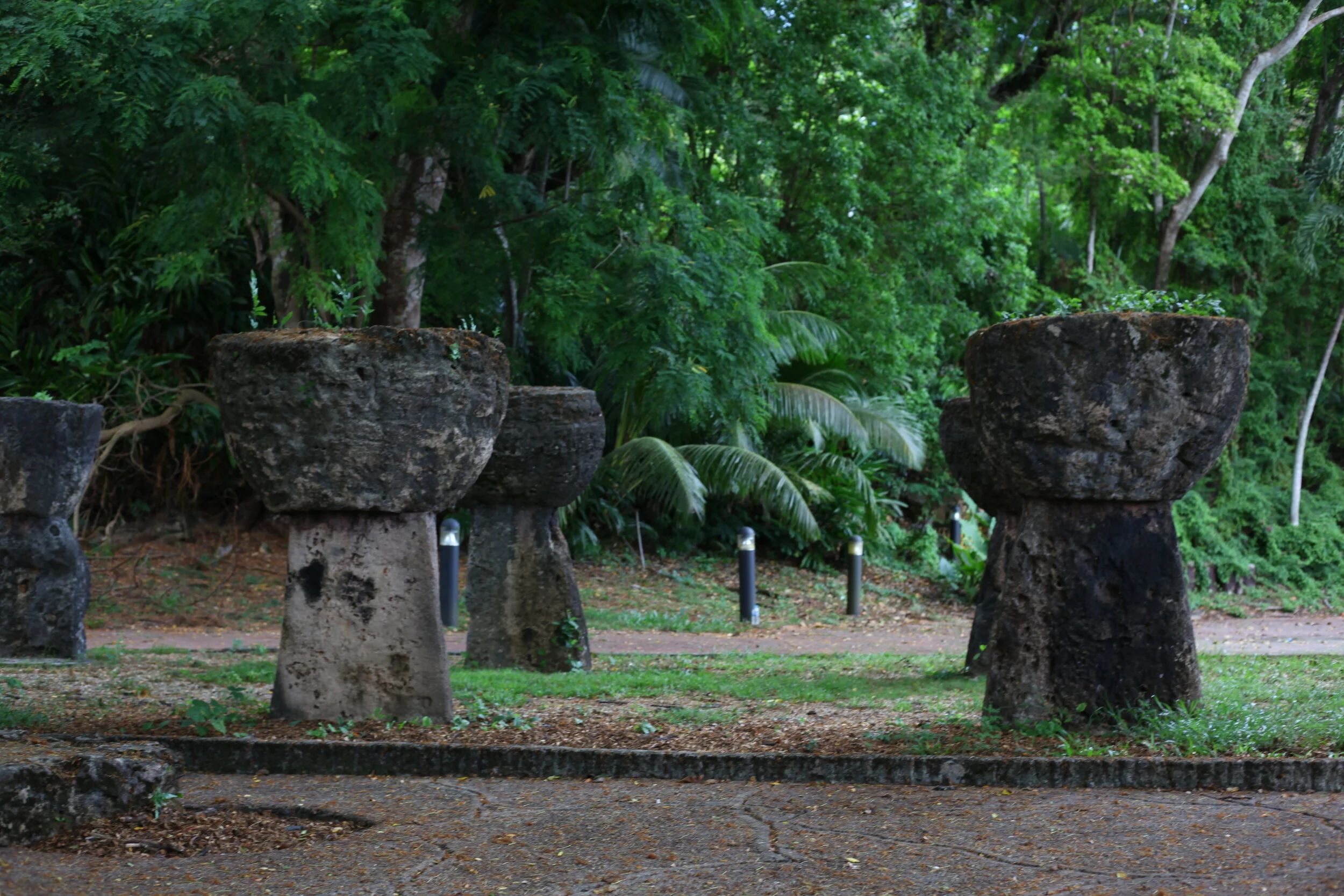
Latte Stone Park
Senator Angel Leon Guerrero Santos Memorial Park also known as Latte Stone Park was established between 1953-1956 during Governor Ford Quint Elvidge’s administration. This park contains 8 complete latte stones intact with the pillar and capstones and were transported by the military from their original locations in the Southern interior of Guam to make way for the construction of new military bases. In 2005, the park coined its current name in honour of Senator Angel Santos, a CHamoru rights activist and founding member of Nasion CHamoru.
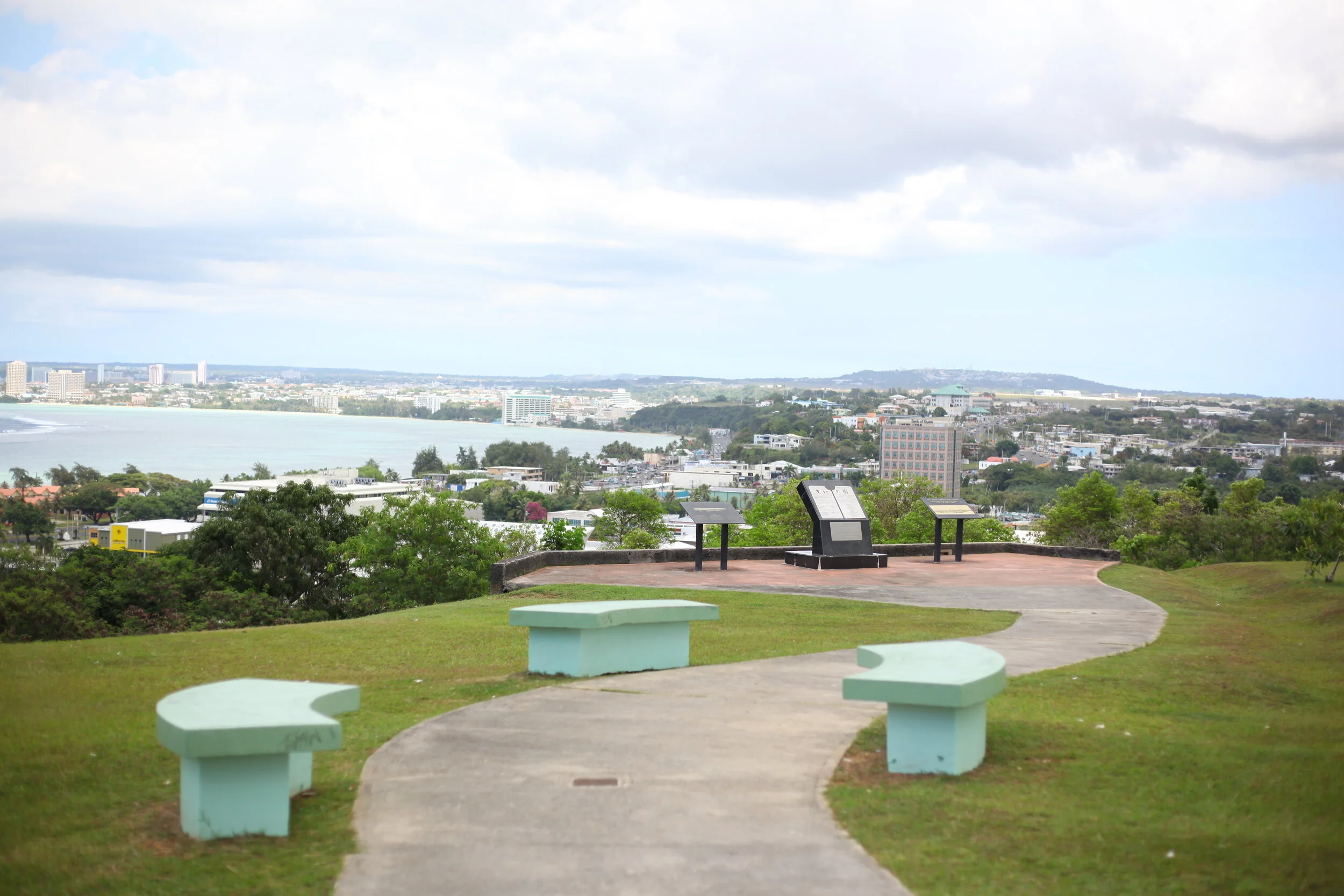
Fort Santa Agueda
Fort Santa Agueda also known as Fort Apugan is located at the top of Apugan Hill and is the only surviving Spanish fort in Guam’s capital city, Hagatna. The fort was built during Governor Muro’s administration by 1800 and was named after Muro’s wife, Maria Agueda del Camino. The structure is comprised of stone rubble (mamposteria).
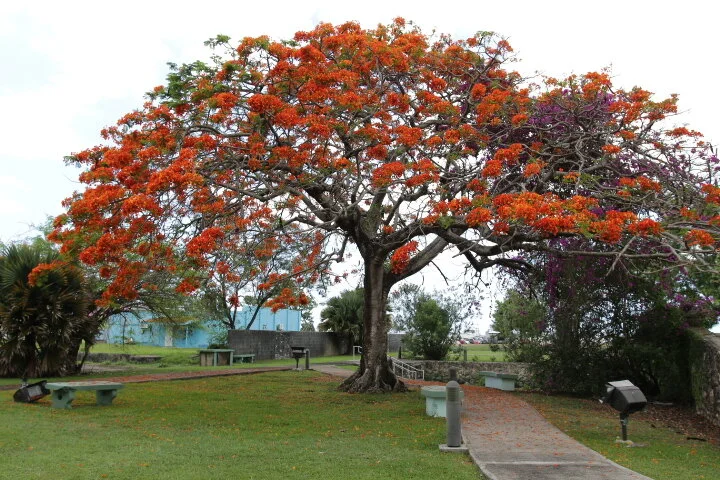
San Antonio Bridge
The San Antonio Bridge also known as Tollai Acho (stone bridge in CHamoru translation) was built in 1800 under the Spanish administration of Governor Manuel Munro and was named after San Antonio de Padua. The bridge was restored in 1966 after damages from WWII. The Hagatna River used to flow through the bridge before its course was changed when the village was rebuilt after the war. To the south of the bridge you can find a bronze statue of La Sirena, Guam’s legendary mermaid. Tollai Acho was listed on the National Register of Historic Sites on September 6, 1974.
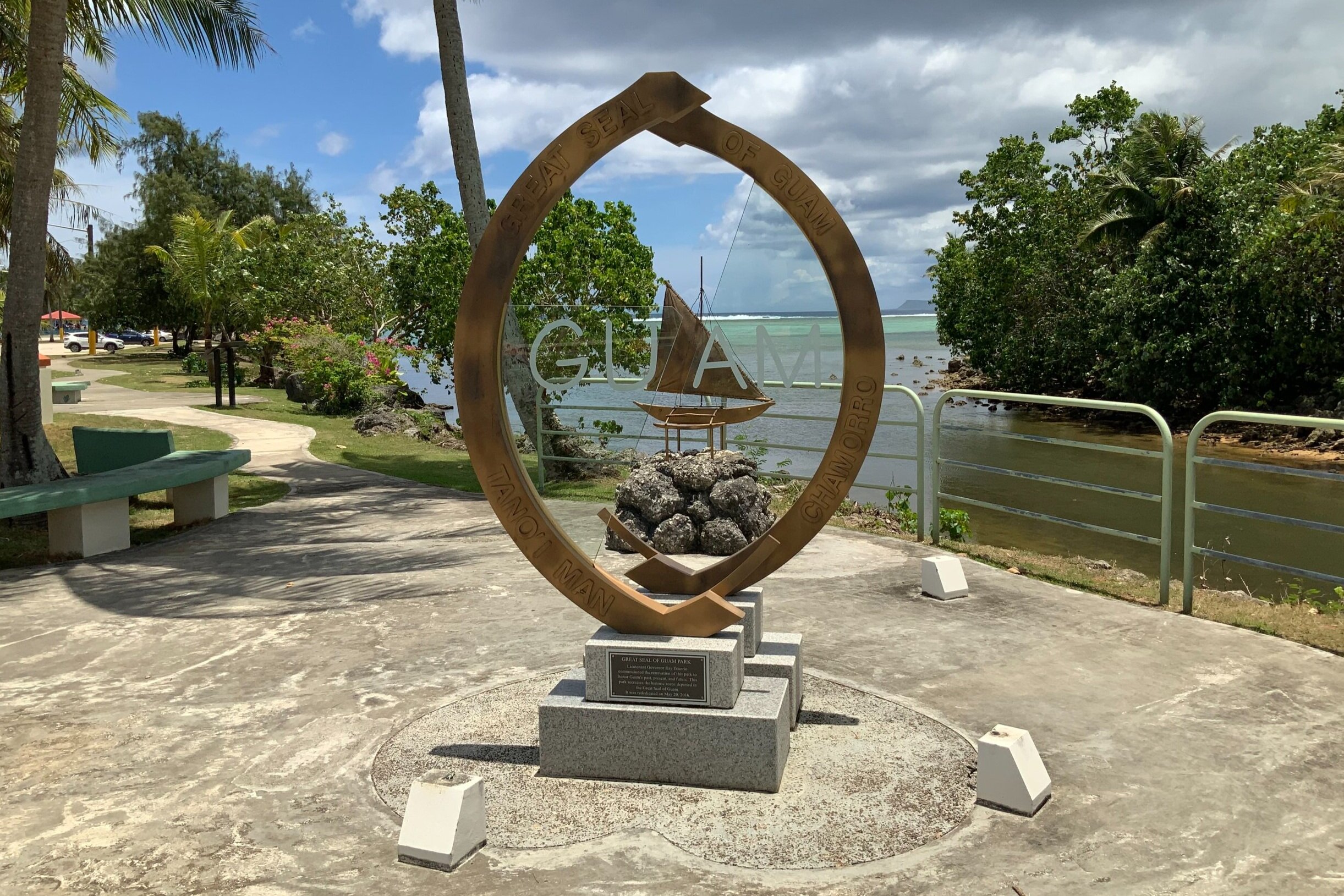
Paseo de Susana
Chief Quipuha Park is named after the CHamoru chief whose name means “try to turn over”. Kepuha gifted land to the first European settlement at Hagatna, Jesuit priest Father Diego Luis de San Vitores and gave him permission to build the first Roman Catholic Mission. The Paseo de Susana includes the multipurpose Paseo Stadium, Chamorro Village, and Chief Quipuha Park.
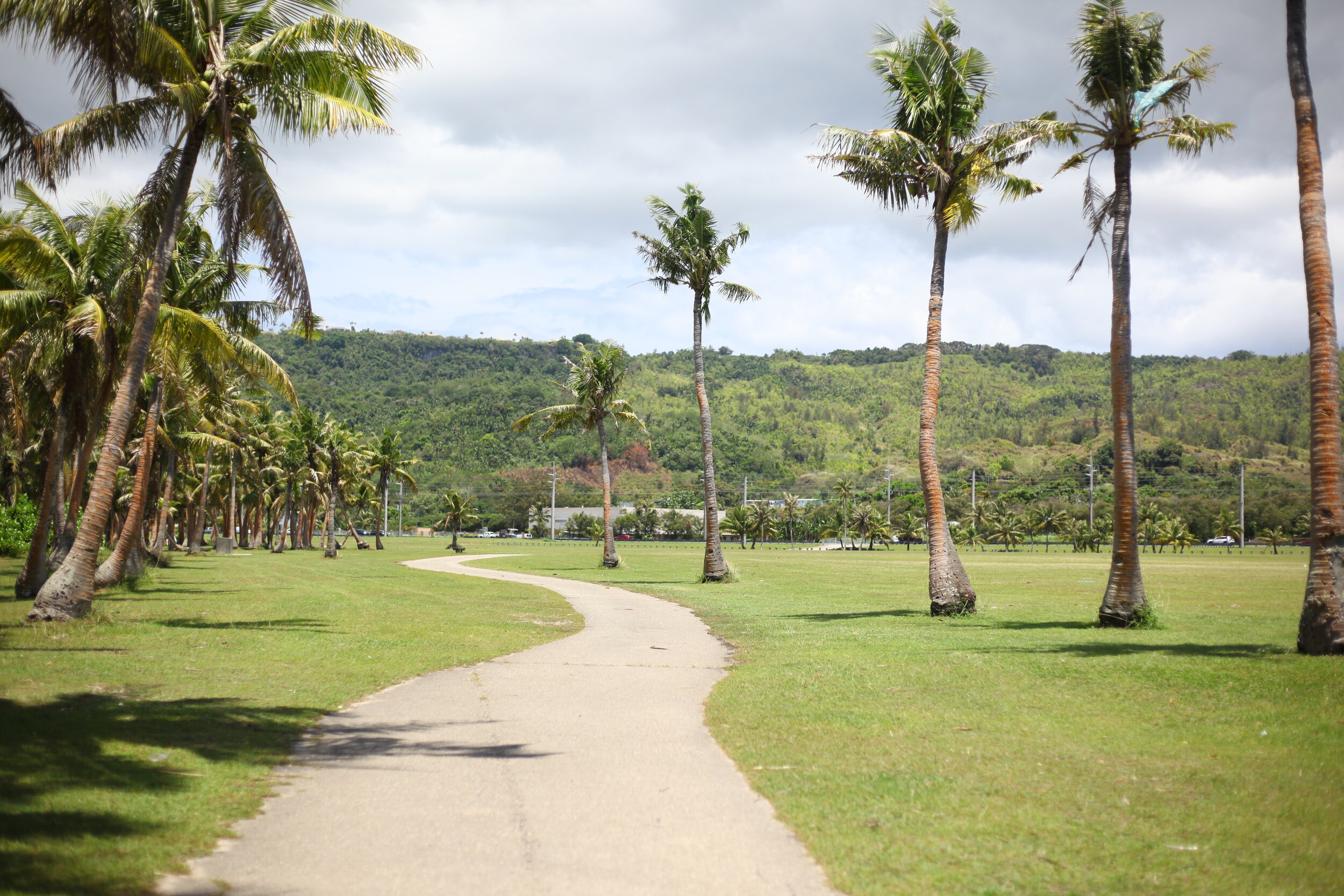
Main Asan Memorial Beach Park
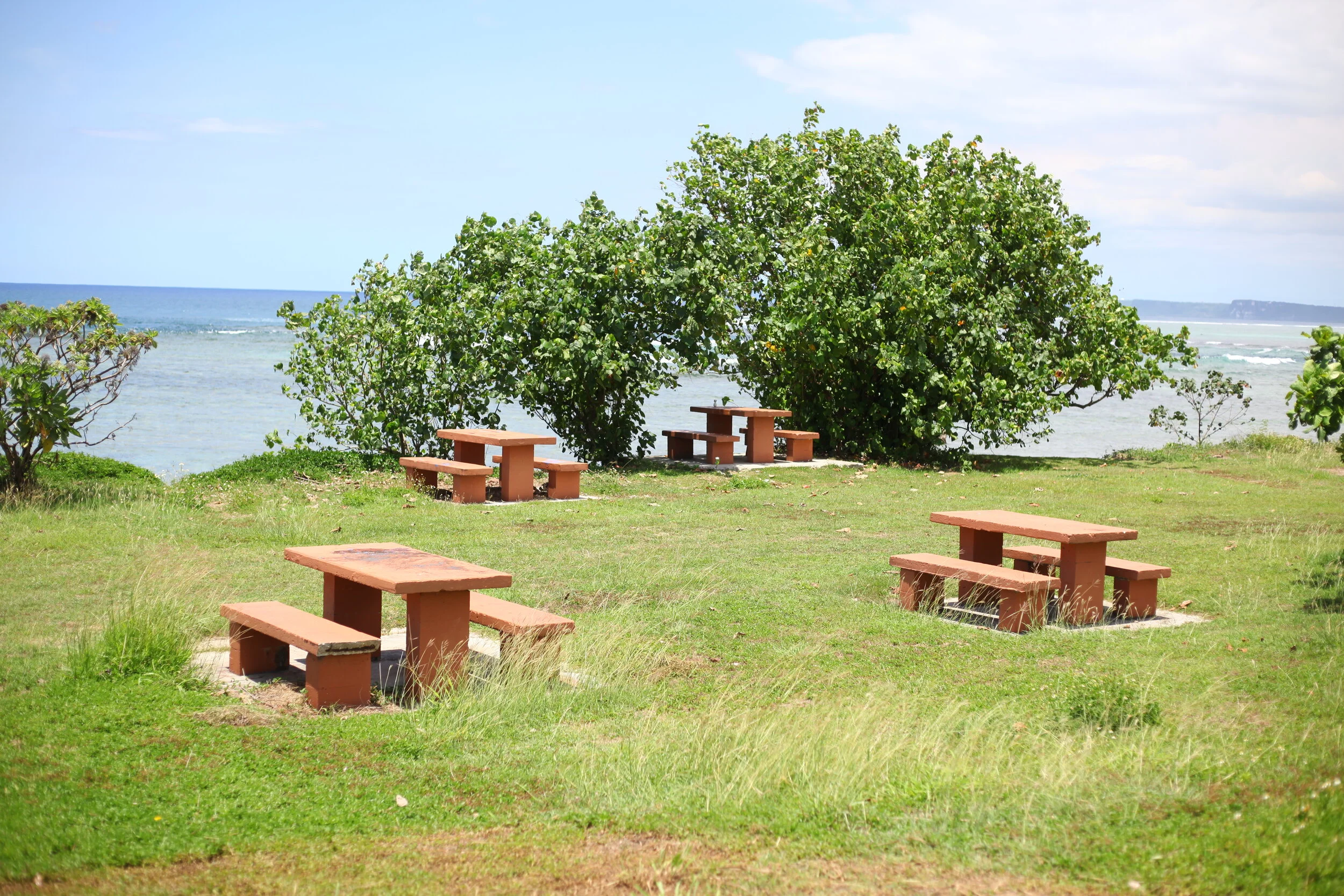
Asan Memorial Beach Park Unit
Asan Memorial Beach Park
Asan Beach Park holds a significant history as it played a vital part in the American recapture of Guam from the Japanese on July 21, 1944 during the American invasion for several days. In 1948-1967 Asan Beach was used as a civil service camp called Camp Asan essentially acting as a small military base. In 1968 it became a hospital annex during the Vietnam War and in 1975 it became a Vietnamese Refugee Camp to 111,000 Vietnamese refugees following the Fall of Saigon. In 1976, Supertyphoon Pamela destroyed all the buildings and Asan beach. In 1978, The National Park Service acquired the area and established the War in the Pacific Historical Park.
“ There is something about fresh air and the liberating effect of nature which sharpens the appetite and heightens the quality and intensity of sensations.”
– Claudia Roden in Picnics: And Other Outdoor Feasts.